

SEO Alert Management Software: A Practical Buyer Guide
SEO alert management software should preserve evidence, group repeated patterns and connect buyer priority, ownership and a fresh source recheck.
Quick, practical SEO and AI-visibility reads you can act on in five minutes.
SEO alert management software should preserve evidence, group repeated patterns and connect buyer priority, ownership and a fresh source recheck.

SEO portfolio reporting software should compare sites through consistent definitions while preserving property boundaries, market roles, owners and next actions.

SEO evidence management software should keep source authority, scope, limitations, decision context and comparable history attached to every observation.
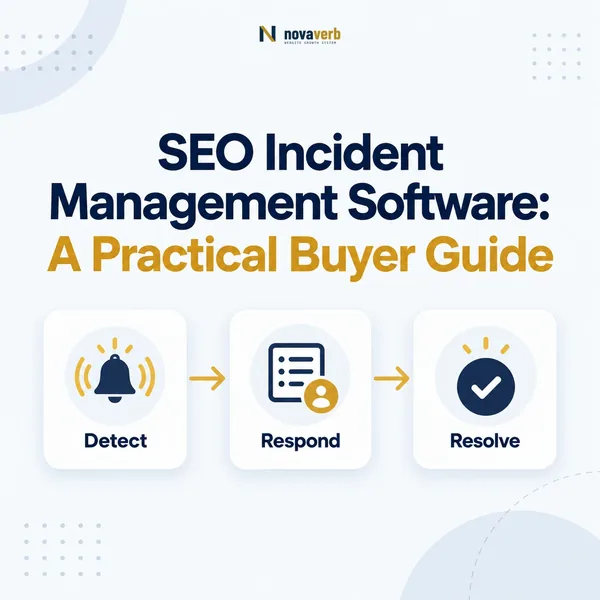
SEO incident management software should move a confirmed exception from scoped evidence through priority, ownership, repair and source-appropriate recovery checks.

SEO workflow approval software should keep evidence, decision roles, implementation ownership and fresh verification connected throughout the request.
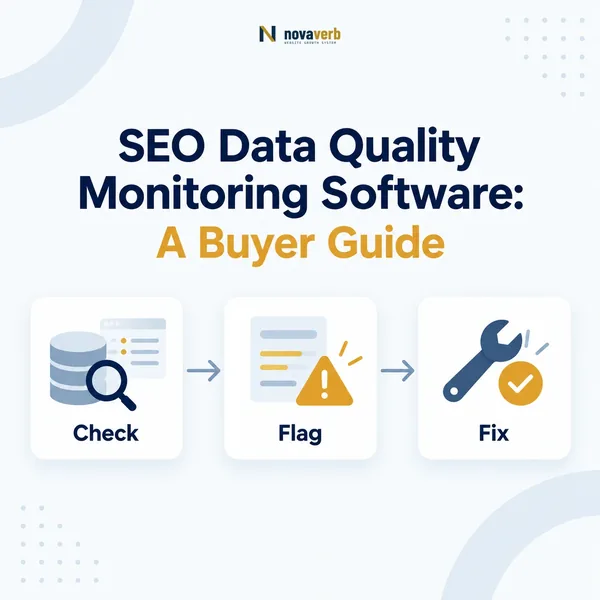
SEO data quality monitoring software should validate source, scope, definitions and missing states before evidence reaches a business decision.
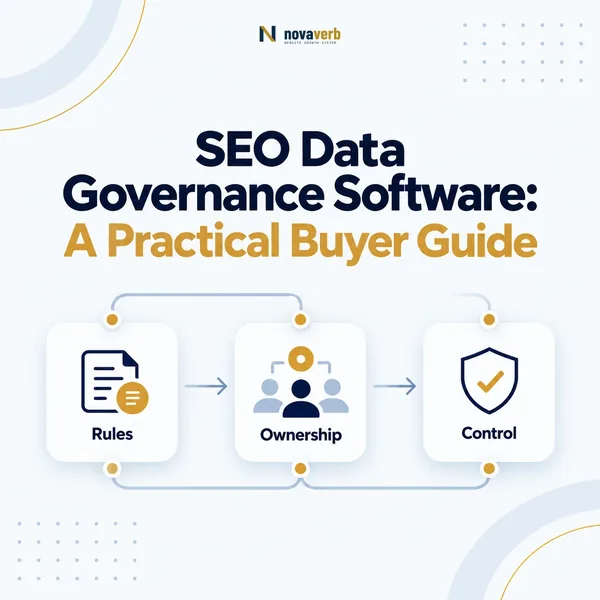
SEO data governance software should keep sources, access, scope, limitations, retention and decision ownership visible without claiming security it cannot prove.
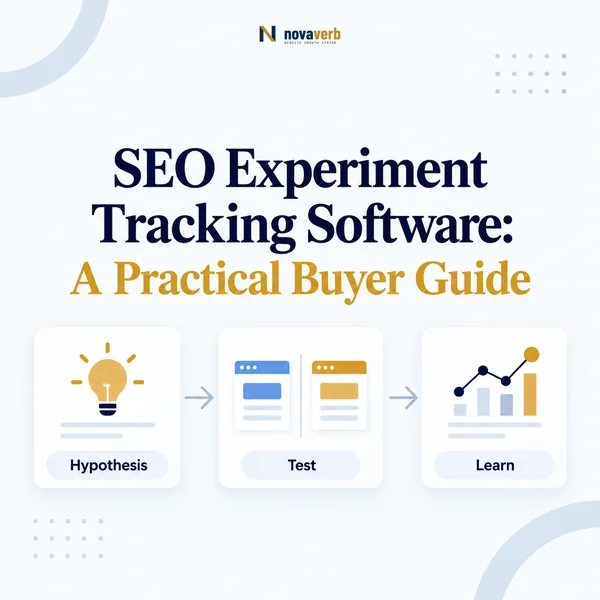
SEO experiment tracking software should preserve the hypothesis, scope, shipped change and source-specific observations without manufacturing causal certainty.
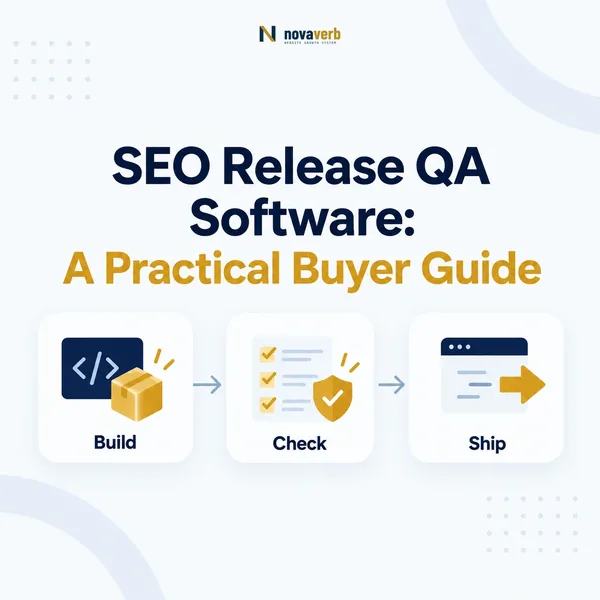
SEO release QA software should test priority journeys with comparable evidence before and after launch, then route exceptions to owners for a …

SEO template monitoring software should detect repeated observable changes across representative pages and route them with scope, release context and ownership.

SEO page segmentation software should create reviewable URL groups from transparent rules while keeping evidence sources and buyer-owned page roles distinct.

SEO opportunity prioritization software should expose evidence, confidence, buyer-owned value, effort and dependencies instead of hiding decisions behind one score.